The Biggest Influencer Marketing Mistakes Brands Make in 2026
Influencer marketing has evolved.
What worked three years ago doesn't necessarily work today.
Consumers are smarter.
Creators are more selective.
Competition is higher.
And yet, many brands continue making the same costly mistakes.
The result?
Campaigns that generate likes but not sales.
Reach but not revenue.
Visibility but not growth.
The good news is that most influencer marketing failures are avoidable.
Let's look at the biggest mistakes brands are making in 2026—and what successful brands are doing differently.
Mistake #1: Choosing Influencers Based Only on Followers
This remains the most common mistake in influencer marketing.
A creator may have 500,000 followers.
That looks impressive.
But here's the real question:
How many of those followers trust their recommendations?
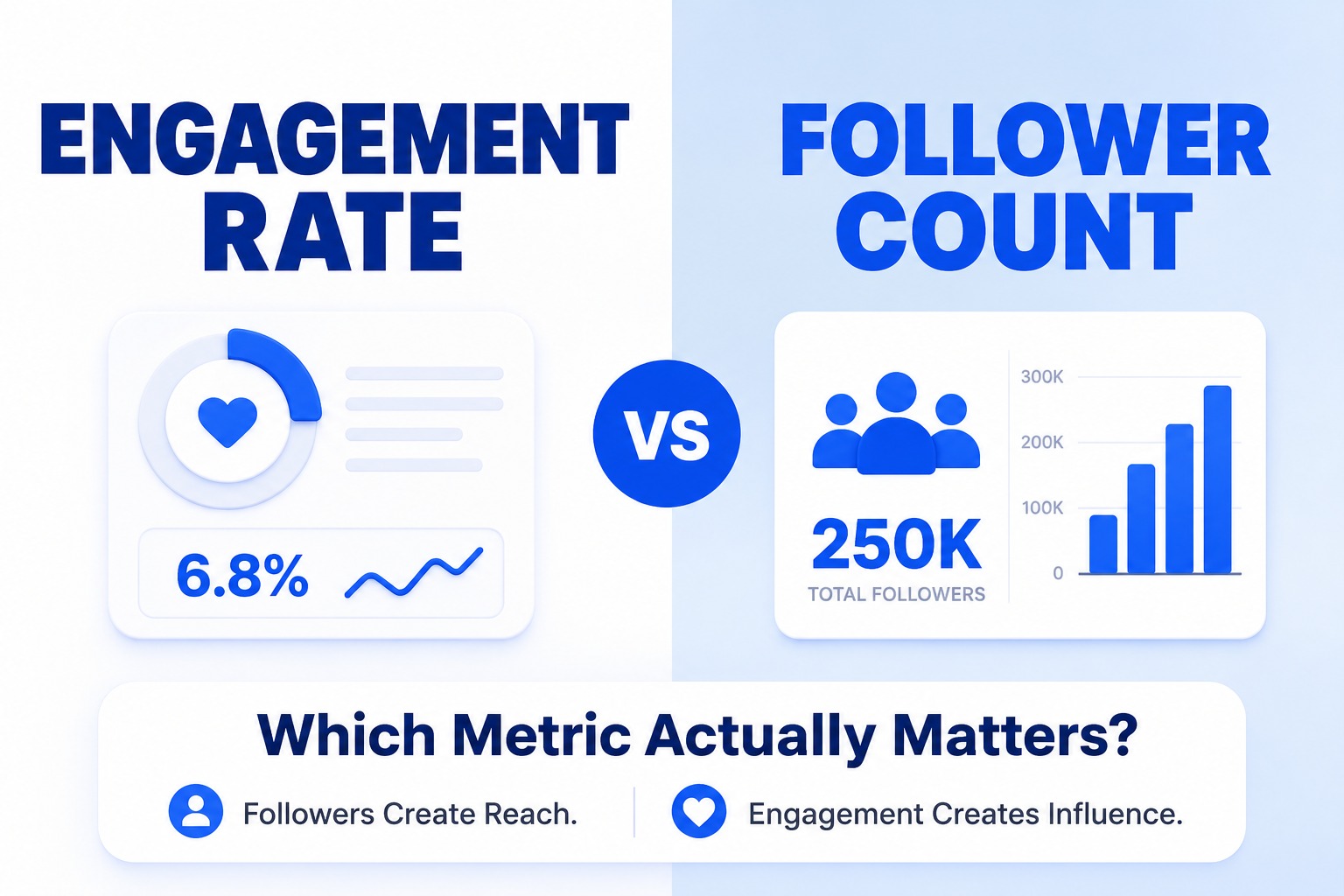
Follower count measures visibility.
Influence measures action.
Many brands still prioritize audience size instead of audience quality.
The smartest marketers focus on:
Engagement rates
Audience relevance
Community trust
Content quality
Previous campaign performance
Because influence isn't measured by numbers alone.
Mistake #2: Ignoring Audience Relevance
Imagine selling luxury skincare products through a gaming influencer.
The creator may be popular.
The campaign may get engagement.
But the audience isn't aligned.
No matter how creative the content is, relevance matters.
Brands should ask:
"Is this creator speaking to the people we actually want to reach?"
The best influencer partnerships feel natural because the audience and product fit together seamlessly.
Mistake #3: Treating Influencers Like Advertising Space
Many brands still approach creators as if they're billboards.
They send rigid scripts.
Demand exact wording.
Control every detail.
And then wonder why the content feels forced.
Here's the reality:
Creators understand their audience better than brands do.
Followers trust creators because of their unique voice and style.
The more freedom creators have, the more authentic the content becomes.
And authenticity drives results.
Mistake #4: Focusing Only on One-Time Campaigns
Many businesses view influencer marketing as a one-time activity.
Launch campaign.
Get content.
Move on.
But trust isn't built overnight.
The most successful brands invest in long-term creator relationships.
Why?
Because repeated exposure increases familiarity.
Familiarity builds trust.
And trust drives purchasing decisions.
Some of the strongest brand communities today were built through ongoing creator partnerships—not one-off promotions.
Mistake #5: Ignoring Micro Influencers
Many brands still chase celebrity influencers.
Meanwhile, micro influencers continue delivering exceptional performance.
Creators with smaller but highly engaged audiences often generate:
Better engagement
Stronger trust
More authentic conversations
Higher conversion rates
In many cases, collaborating with several micro influencers produces better results than investing the entire budget in one large creator.
Mistake #6: Not Defining Campaign Goals
A surprising number of brands launch influencer campaigns without a clear objective.
They simply want:
"More visibility."
But visibility alone isn't a strategy.
Before launching any campaign, brands should define whether they want:
Brand awareness
Website traffic
Sales
Lead generation
Content creation
Product launches
Clear goals lead to measurable outcomes.
Without them, success becomes impossible to evaluate.
Mistake #7: Measuring the Wrong Metrics
Likes look good.
Views look impressive.
But neither guarantees business growth.
Many brands focus on vanity metrics while ignoring the numbers that actually matter.
Instead, measure:
Click-through rates
Conversions
Website traffic
Cost per acquisition
Customer engagement
Return on investment
The goal isn't to create content people watch.
The goal is to create content people act on.
Mistake #8: Overlooking Creator Research
Not every influencer is the right fit.
Brands should spend time evaluating:
Audience demographics
Engagement quality
Content consistency
Brand compatibility
Previous partnerships
Skipping this research often leads to disappointing results.
A creator may appear perfect on the surface while being completely wrong for the campaign.
Mistake #9: Expecting Instant Results
Influencer marketing isn't magic.
Many brands expect immediate sales after one post.
That's rarely how consumer behavior works.
People discover products.
Research them.
See multiple recommendations.
Build trust.
Then make purchasing decisions.
Influencer marketing performs best when viewed as a long-term growth strategy rather than a quick fix.
Mistake #10: Trying to Manage Everything Manually
As influencer marketing grows, manual management becomes difficult.
Finding creators.
Negotiating partnerships.
Tracking deliverables.
Monitoring performance.
Managing communication.
The process quickly becomes overwhelming.
This is why brands increasingly rely on influencer marketing platforms to streamline campaigns and improve efficiency.
What Successful Brands Are Doing Differently
The brands winning in 2026 aren't necessarily spending more money.
They're making smarter decisions.
They prioritize:
Relevance over reach
Trust over popularity
Relationships over transactions
Strategy over guesswork
Performance over vanity metrics
These brands understand that influencer marketing isn't simply about promotion.
It's about building credibility through people consumers already trust.
How Influsage Helps Brands Avoid These Mistakes
Influencer marketing becomes significantly more effective when brands have access to the right creators, insights, and campaign management tools.
Influsage helps brands:
Discover relevant creators
Evaluate influencer profiles
Manage collaborations efficiently
Build long-term partnerships
Track campaign performance
Instead of relying on assumptions, brands can make informed decisions that support measurable growth.
Final Thoughts
Influencer marketing continues to be one of the most powerful marketing channels available.
But success isn't guaranteed.
The brands that thrive are the ones that avoid common mistakes and focus on what truly matters:
Trust.
Authenticity.
Relevance.
Relationships.
Because in 2026, consumers don't want more advertising.
They want recommendations from people they genuinely believe.
And that's where great influencer marketing begins.